The item nobody priced
Sellers in Norwalk usually arrive with a list price in mind and a short list of touch-ups before the photographer comes: paint, a trimmed hedge, a new weather seal on the garage door. The chimney is rarely on that list. It sits above the gutters, the fireplace may have gone unlit for years, and the last person who looked closely at it was probably the inspector during your own purchase.
The buyer's inspector will look at it again. Whatever that person writes lands in the middle of your negotiation, at the moment you have the least room to move. This post sets out what Brannon Chimney Experts charges for the chimney work we publish prices for, which jobs we price only after seeing them, and an order of spending that keeps the total small.
Our printed figures
These do not change because a sale is pending, and they are the same whether you are the seller, the buyer or the agent booking for either.
| Work | Price |
|---|---|
| Camera run of the full flue with written findings (Level 2) | $370 |
| Visual read of the fireplace and stack (Level 1) | $52 |
| Sweeping, before the camera or before showings | from $400 |
| Water entry located and closed off | $530 to $3,200 |
| Diverter built on the uphill side of a broad stack | $425 to $960 |
| That diverter and fresh metal at the base, done together | $640 to $1,600 |
| Gas heater fitted inside the firebox you already have | $2,650 to $5,300 |
Why are some ranges so wide? Water work varies: a single failed seam is a short visit, while water coming in at the crown, the flashing and a mortar joint at once is not. The low end of each range is where many plain Norwalk houses land, but we do not promise that before we have stood on the roof.
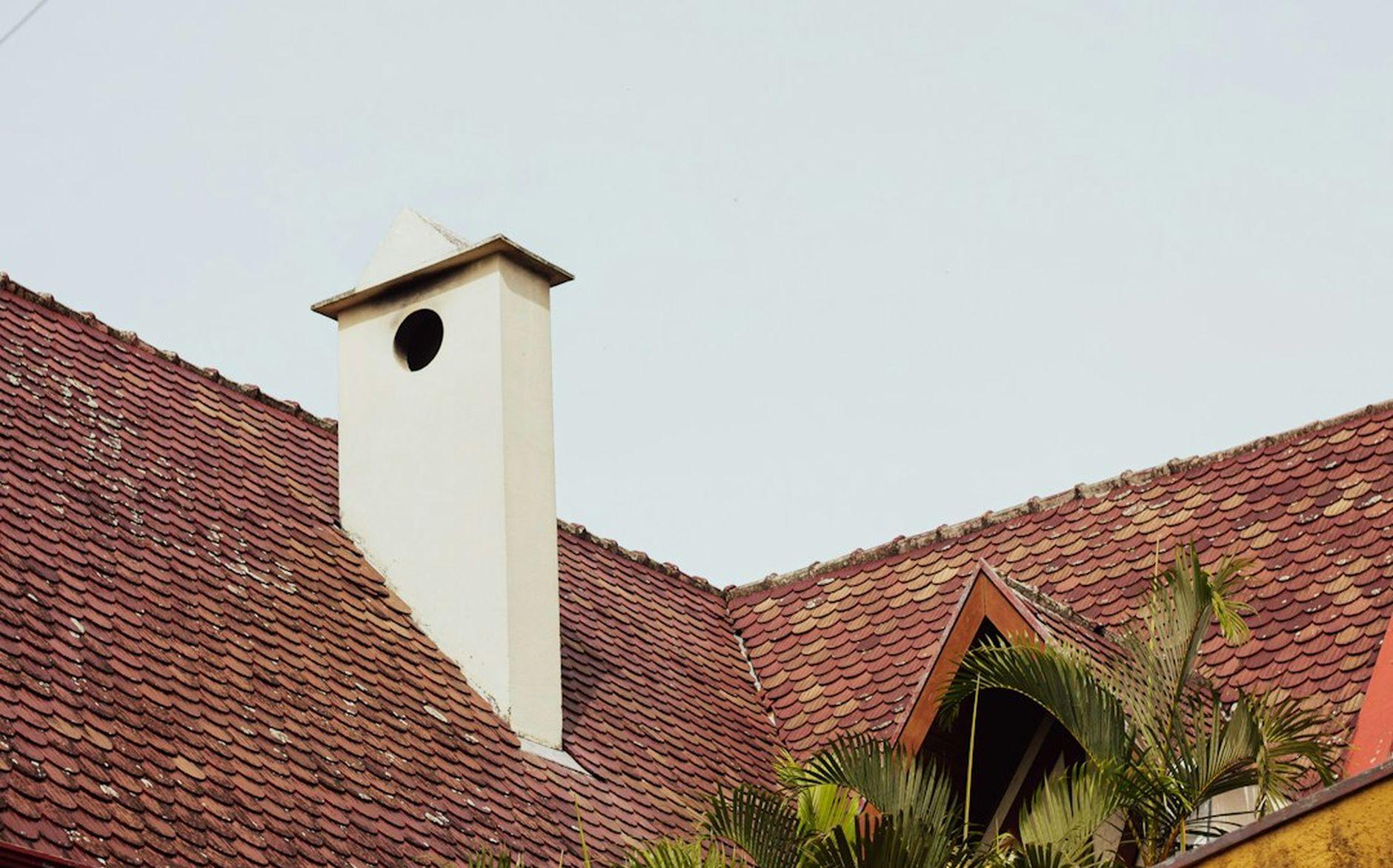
Caps differ because chimneys differ. A cap for one round clay flue on a single story ranch is a small stock part. A cover spanning a wide brick top with two or three flues is cut and bent to size. That is why a rain cap is quoted after we measure.
Work without a printed price
Brick and mortar repair, crown work, a new liner, a replacement damper, a chase cover on a framed chimney, a partial rebuild and a fireplace remodel have no published figure here. Each one turns on things nobody can judge from the driveway: how many joints have opened, whether a flue tile is cracked or only stained, how far down the loose brick goes. For those we visit, run the camera, and then put the scope and the figure on paper together.
That is the main reason the $370 camera inspection is usually the first money a seller spends. It turns "the chimney might need work" into a list with a figure, or a written quote, beside each line.
An order that keeps the spend small
For a seller with a few weeks before the listing goes live, this sequence holds up well:
1. Camera inspection first. Book the Level 2 before anything else. Every later decision rests on it. 2. Safety and water next. A cracked flue, loose brick above the roof or a stain on a ceiling are the items a buyer's inspector will flag in bold. Fix or price these first. 3. Small exterior items. A missing cap or a worn cricket is easy for a buyer to spot, so fix it before the photos. 4. Looks last. A dated brick face or a chipped hearth tile can hurt photos, but it is the last place to spend, never the first.
What can wait? If the report says the flue is sound and only notes a tired cap, some sellers choose to disclose rather than repair and let the buyer decide. That is a fair call when the item is small and clearly priced. Our post on repairing, crediting or disclosing goes through the trade-offs.
What Norwalk chimneys tend to need
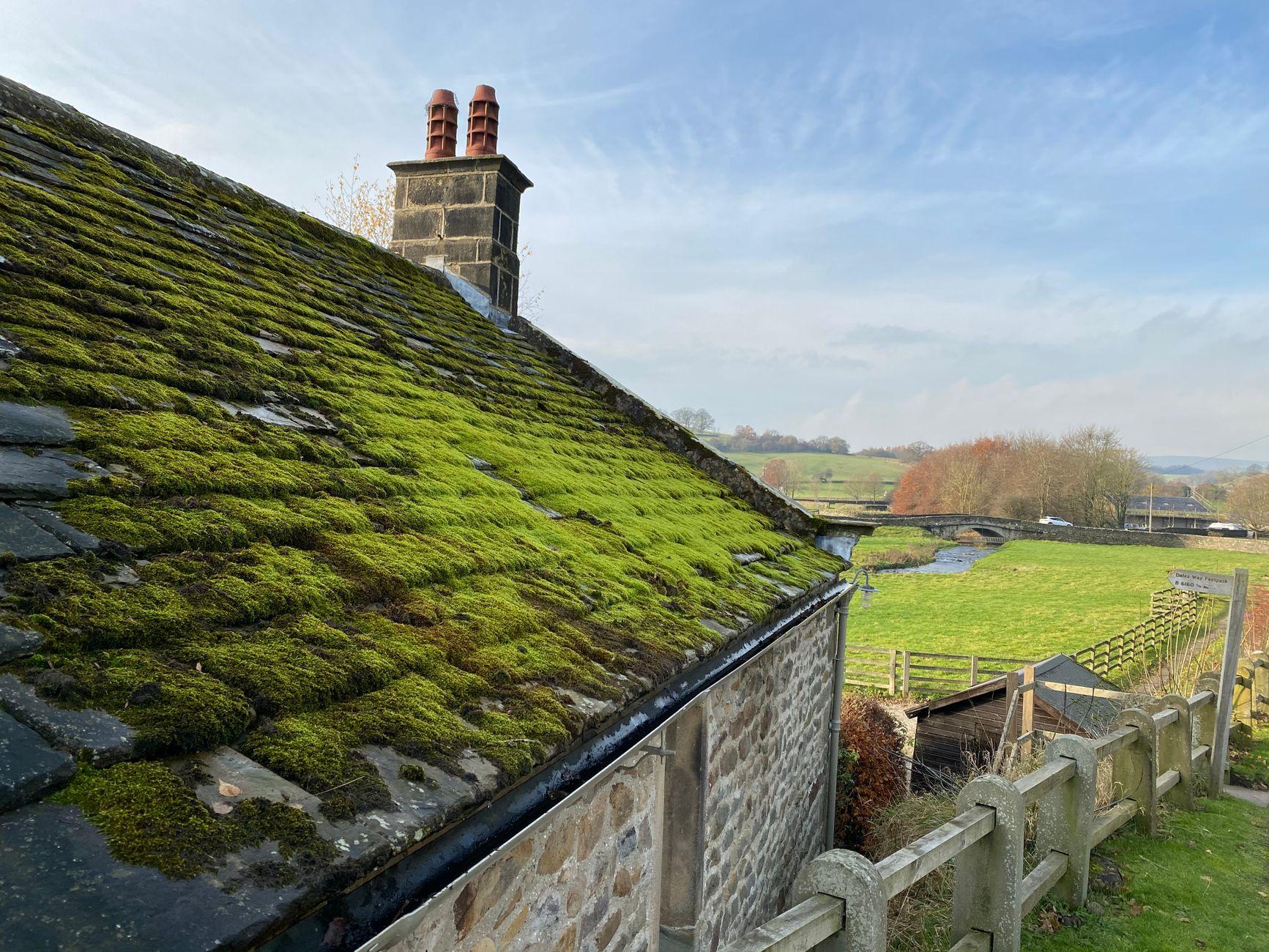
Much of Norwalk was built out in the decades after the war, with one-story houses and a single brick chimney on the living room wall. Short stacks, simple roof lines and easy ladder access keep most visits plain, and keep most crickets near the lower end of their range. Most caps there are simple jobs too.
Age matters more than size. Mortar near the top of a stack that has stood through decades of summer heat and winter rain goes soft first, because that is where weather hits hardest. Stacks in this corner of the county also rode out the Whittier Narrows shaking in 1987, and a crack from that morning can sit unnoticed inside a flue until a camera passes it.
Those are the findings that turn up most often in our pre-listing reports here: soft mortar near the top, a cracked crown, an old cap or none at all, and now and then a split flue tile. We are based in Norwalk and see the same patterns in Bellflower, La Mirada and Lakewood.
Getting a number for your house
The quickest route to a real figure is a short message. Use the quote form to tell us when you plan to list, whether the fireplace burns wood or gas, and anything a past inspector wrote about the chimney. We reply with the inspection we suggest and its price, then set a visit.
Sellers who already hold a recent camera report from another company can mention that as well. If it covered the full flue, a roof visit may be enough for us to price the repairs it lists.
When to start
Chimney work is easiest to fit in before the house is on the market, while you still pick the dates. Once offers arrive, the buyer's timeline sets the pace and every contractor visit becomes a negotiation of its own. Whatever your list date, the chimney part of the plan gets its first entry on our contact page.
Selling Within the Year?
Brannon Chimney Experts inspects from Norwalk and hands you the chimney findings a buyer would see, each marked repair, disclose or leave, with a written figure beside every repair line.