Two prices, two questions
A $52 inspection and a $370 inspection sound like the cheap and expensive versions of the same thing. They are not. Each answers its own question, and for a seller about to list a house in Norwalk, picking the wrong one either wastes money or leaves a gap a buyer will find.
Where the levels come from
The levels come from NFPA 211, a fire safety document from the National Fire Protection Association. Chimney companies across the country borrow its tiers as a shared vocabulary, so a report from one firm means the same thing to a buyer's agent as a report from another. Nothing in it forces a homeowner to book anything. Its worth in a sale is that everyone reading the report knows what was looked at and what was not.
The top tier, Level 3, involves cutting into finished walls or masonry to reach a hidden part of the chimney. It only comes up when one of the first two finds serious trouble that cannot be seen any other way. For a typical listing, the choice is between the first two.
The $52 look
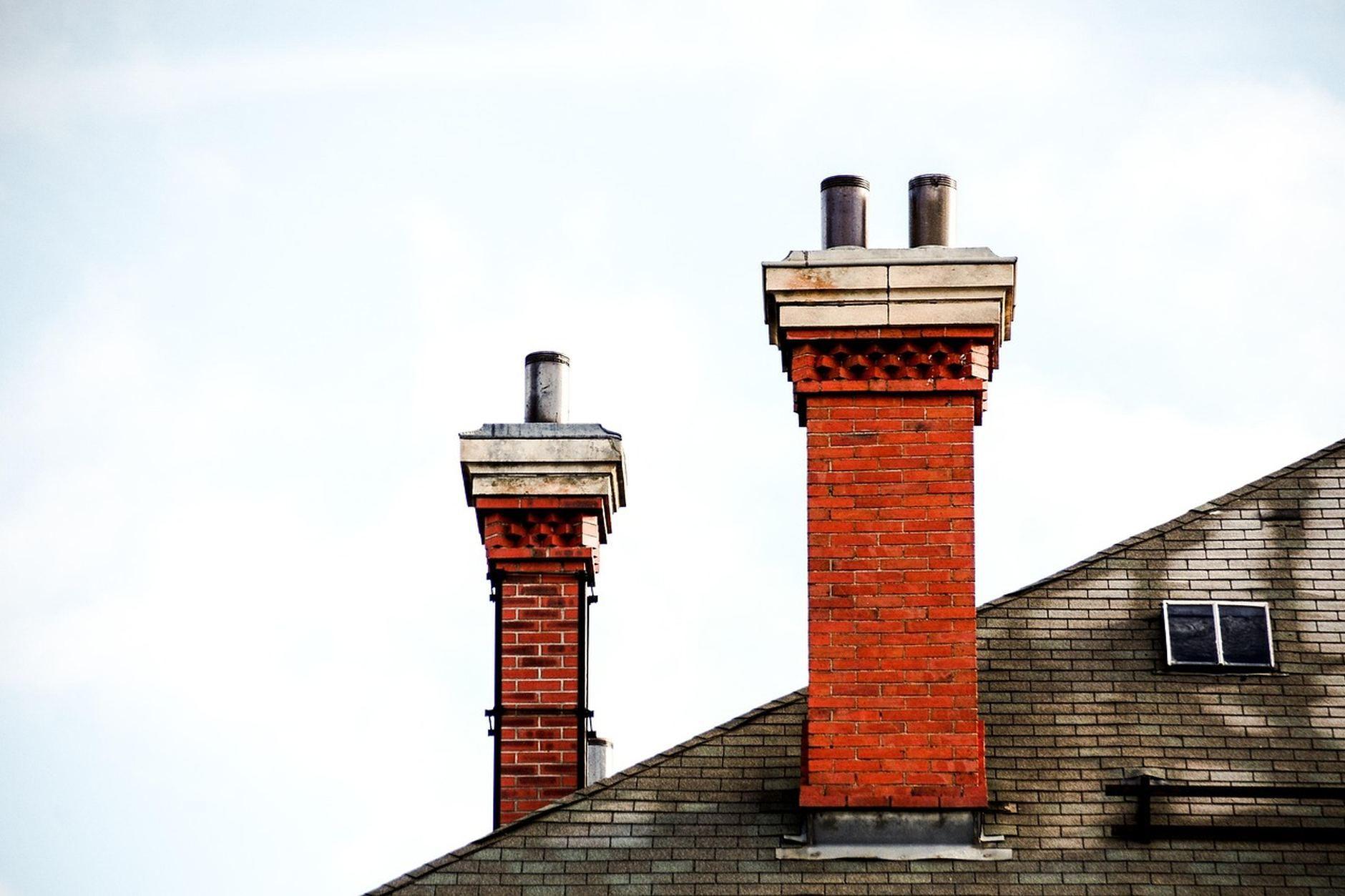
Level 1 is a look at whatever the technician can see and reach easily: the firebox, the damper, and the outside of the chimney from the roof. It answers one question. Is anything plainly wrong with a fireplace that has been used the same way for years?
It earns its place as:
- A first read for a seller who has not decided whether to spend more
- A yearly record for a house that is not changing hands
- A check after a sweep, when nothing about the fireplace has changed
What it does not do is look up the flue beyond what a light shows from below. In a house built decades ago, that unseen stretch is exactly where cracked tiles and open joints hide.
The $370 camera run
Level 2 sends a camera up the full height of the flue, recording the liner from the smoke chamber to the top. It also covers the attic, where the stack passes the framing, and any reachable spaces beside the chimney. Every finding is photographed.
This is the tier NFPA 211 ties to a change of owner. The reasoning is easy to follow: whoever moves in has no history with the chimney. They did not see how often it was lit, what it burned, or what happened to it in the last strong quake. A camera record gives them, and you, a fixed starting point.
Which one a seller should book
For a listing, book the Level 2. The reasons:
- The buyer will likely order one anyway. If their camera finds a crack yours missed, you negotiate against their report, on their schedule.
- Hidden damage is the costly kind. A cracked flue tile or a gap between liner sections cannot be seen from the firebox. It decides whether the fireplace is usable, and relining is not a small job.
- The age of the housing. Many homes in Norwalk date from the post-war decades, with clay flue tiles that have seen many fires and the 1987 Whittier Narrows shaking. That is the case a camera is built for.
The Level 1 still has a place. A seller who is not sure about listing yet, or who only wants a quick read before meeting an agent, can begin there. If it turns up a reason to look further, the report says so and the camera run can follow.
What else calls for the camera
Some events point to a Level 2 even outside a sale:
- A chimney fire, or a strong suspicion of one
- A switch from wood to gas, or a new insert going in
- Strong shaking felt locally
- Stains near the chimney that keep coming back after rain
If any of these happened while you owned the house, mention it when you book. It changes what we look for.
What you receive
Both levels end in a written report with the address, the date and photos of what was found. The Level 2 version adds stills from the camera run, each tied to a height in the flue, so a reader can see where a crack sits instead of taking our word for it. Copies go to whoever booked and to anyone they name, such as the listing agent. For a seller, that means one document to hand over when a buyer asks how the chimney was checked, rather than a story about it.
What decides your total
Neither inspection changes price with the house: $52 and $370 are flat. What moves your total is what comes after. If the camera shows a repair, that work carries its own price, either one of our printed ranges for crickets, leaks and inserts, or a written figure for masonry, crown and liner work. A cap is quoted after we measure.
If you want to know which level fits before you commit, use the quote form and tell us what you have planned for the house. We tell you which inspection we suggest and why.
How this fits the sale
The camera report becomes the reference for everything after it: repair or credit decisions, the disclosure packet, the buyer's questions. Our posts on costs before listing and repair, credit or disclose pick up from there. For the inspection itself, see the Level 2 page or the home sale page.
Either level can be booked from our contact page, where one message gets the visit set.
Selling Within the Year?
Brannon Chimney Experts inspects from Norwalk and hands you the chimney findings a buyer would see, each marked repair, disclose or leave, with a written figure beside every repair line.