The stain buyers notice first
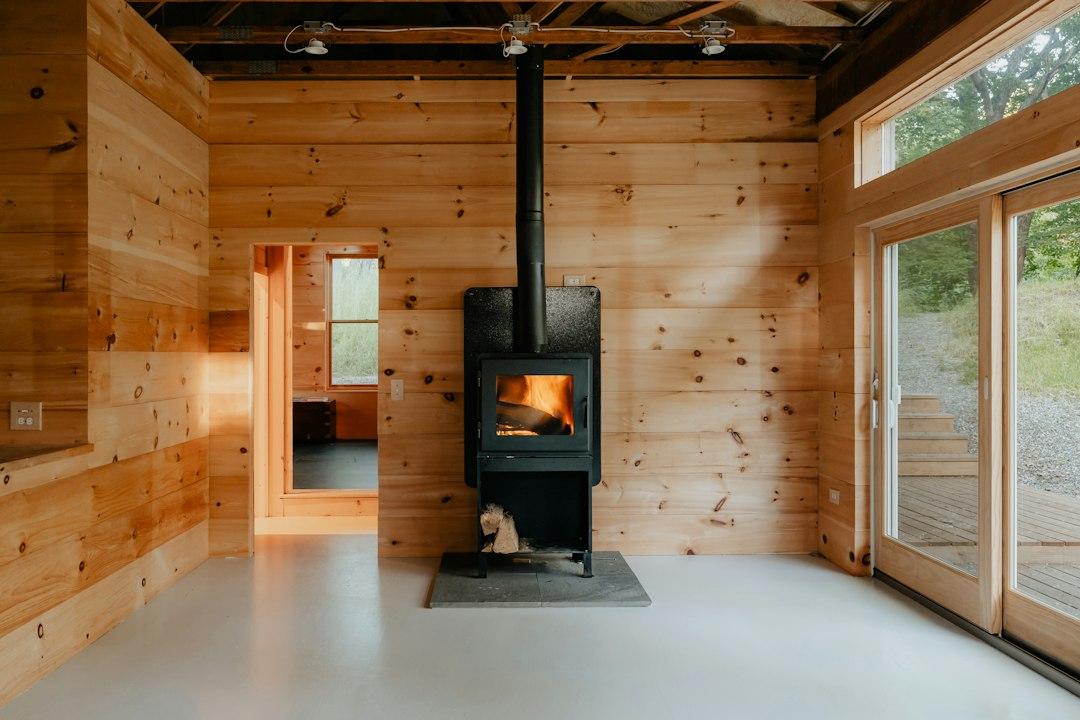
A buyer walking a Norwalk living room for the first time looks at the fireplace. If there is a tide mark on the ceiling near it, paint lifting above the mantel shelf, or rust on the firebox floor, they notice. So does their inspector. Because water damage is easy to photograph and hard to price by eye, it lands in the report in strong terms.
A seller has a better option than painting over it before the photos. Painted-over stains tend to return with the next storm, often during escrow, and then look like something hidden. Finding the source, fixing it, and handing the buyer an invoice turns a worrying mark into a closed item.
Where chimney water gets in
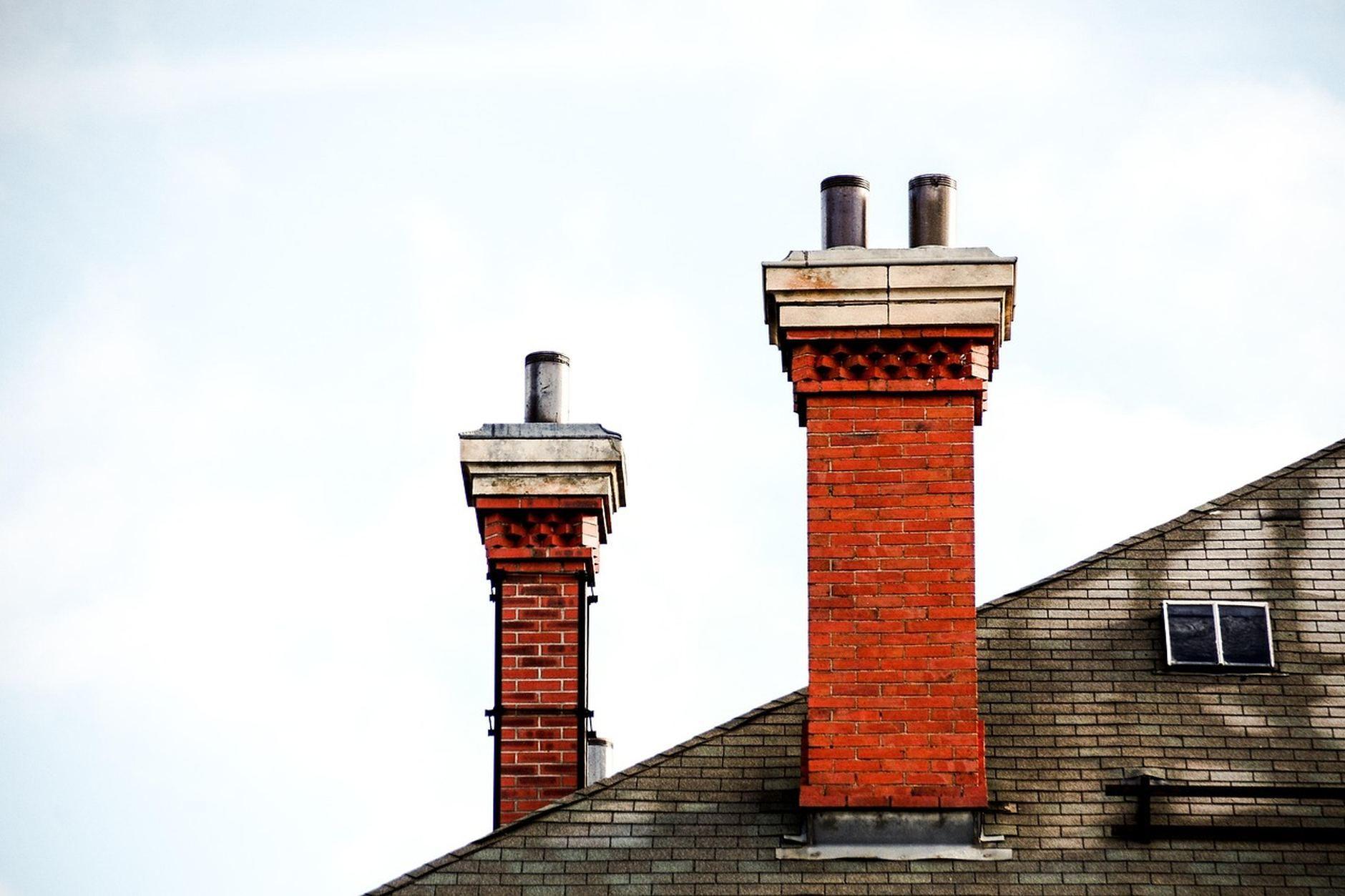
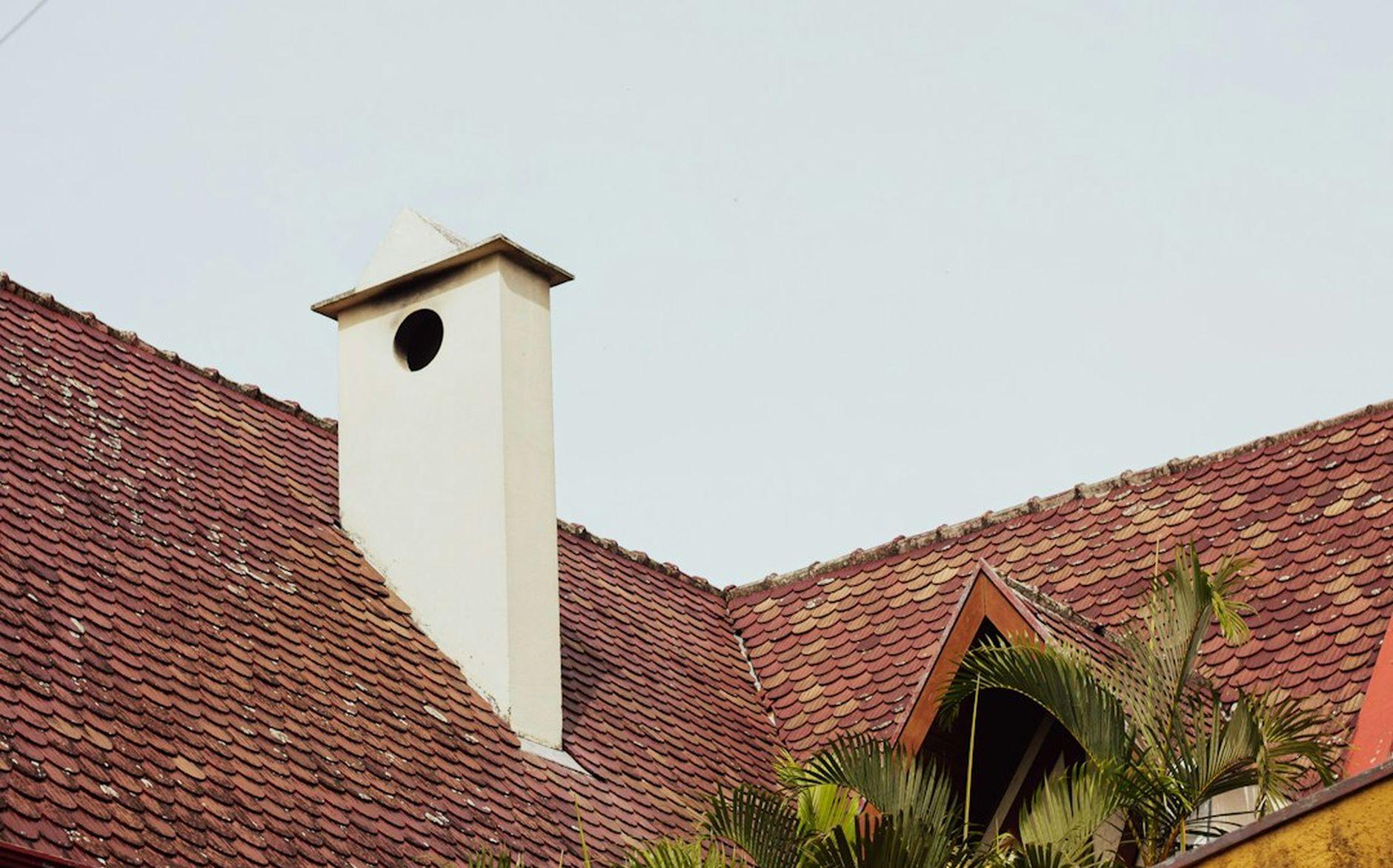
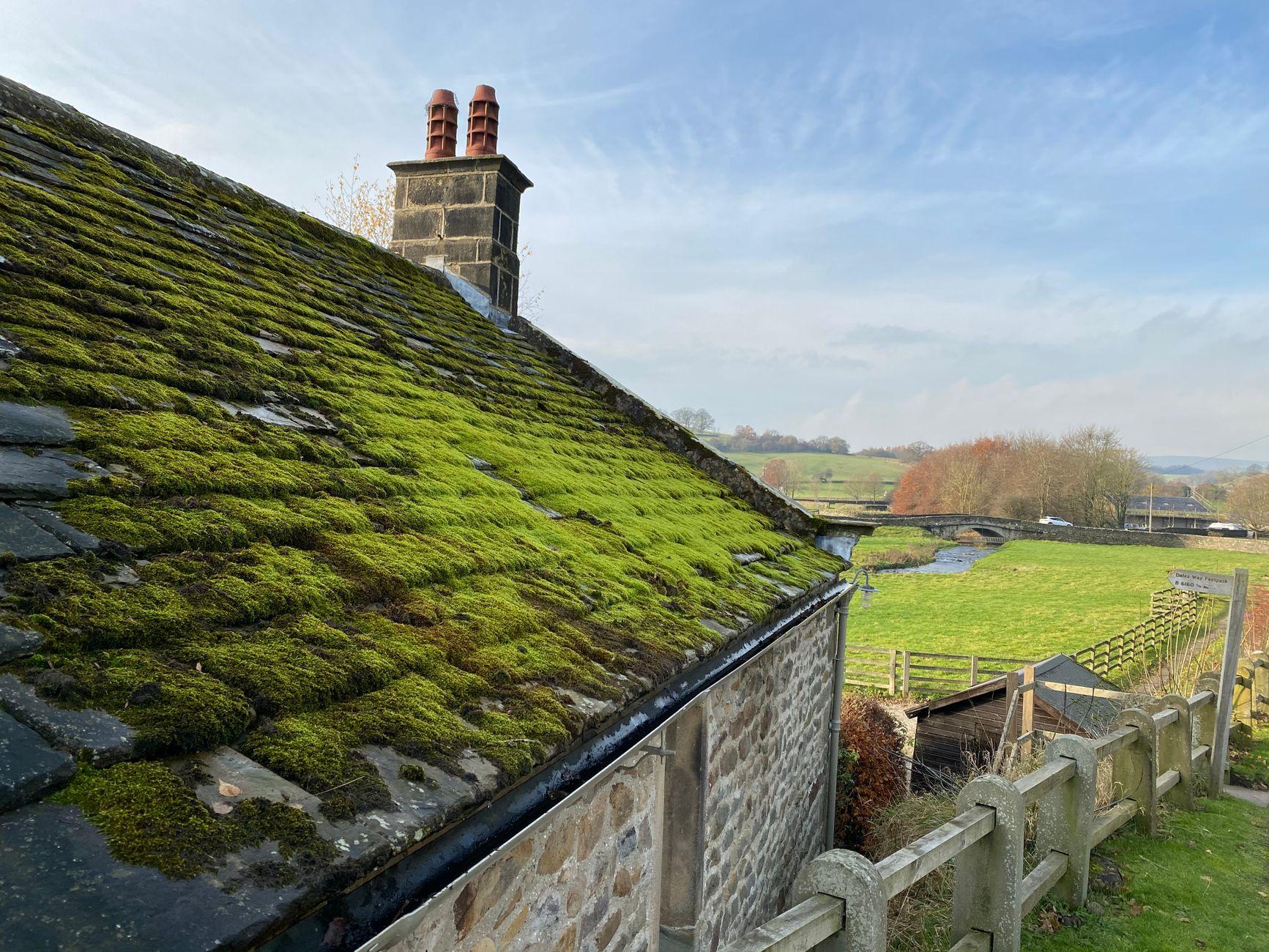
A chimney offers water more ways in than a plain stretch of roof, and each needs its own repair:
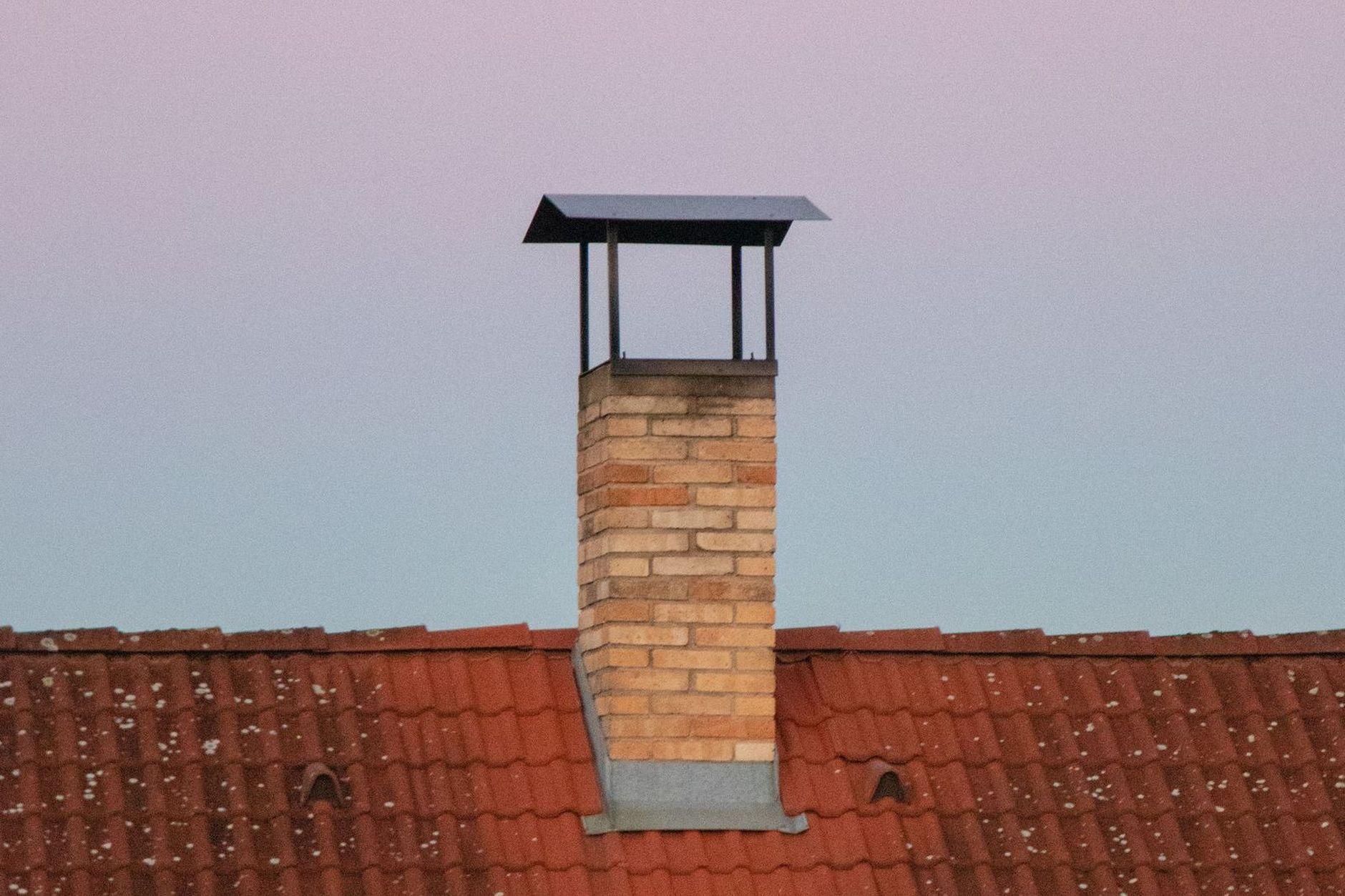
- The top of the flue. With no cap, rain drops straight in. A rusted-out cap lets in nearly as much.
- The crown. The concrete slab around the flue cracks with age and movement, and water soaks into the brick under it.
- The flashing. The metal where roof meets stack wears, lifts, or was only ever held with caulk.
- The brick and mortar. Porous brick and hollow joints draw water in, mostly on the side facing the storms.
- Behind a wide chimney. With no cricket, water and debris bank up on the uphill side.
- On framed chimneys. A flat metal chase cover rusts and lets water down inside the box.
Often there is more than one source. That is why a stain patched at one point keeps coming back.
How we trace it
We start inside, at the mark itself, and note where it sits relative to the chimney and when it appears. Then we check the stack in the attic for wet wood or drip marks, and go onto the roof to work through each entry point above. Where the evidence is unclear, we wet one suspect area at a time with a hose until the inside tells us which one it is.
Timing narrows the search. A mark that darkens during a storm and dries within a day usually points somewhere different from one that stays damp for a week. Old marks that have not changed in years matter too: a buyer's inspector cannot tell a dry, settled stain from an active one by eye, so a written finding stating the source was closed is what settles the question.
The result is a written finding that names the source, with photos and a repair scope. If the stain comes from the roof and not the chimney, we say so, so the seller can pass it straight to a roofer.
What the fix costs
Some leak repairs carry a printed range on our site:
| Repair | Price |
|---|---|
| Hunting down the leak and sealing where it enters | $530 to $3,200 |
| Cap on an open or rusted-out flue | quoted after we measure |
| Peaked diverter to split water around a broad stack | $425 to $960 |
| Diverter plus replacement base flashing in one job | $640 to $1,600 |
Others have no printed price because the size of the job is unknown until we see it:
- Crown repair, from sealing a sound slab to recasting a broken one
- Waterproofing, a breathable treatment on the brick once joints and crown are sound
- Chase cover, a new sloped metal top for a framed chimney
- Damper repair, for when years of water have rusted the plate or frame
For those, the roof visit produces a written scope and a figure alongside the rest of the findings.
Where your house lands inside the ranges depends on how many entry points the water has, how tall and wide the stack is, and how easy the roof is to work on. A one-story Norwalk ranch with a single brick chimney and a shingle roof sits toward the lower end more often than not.
Next step for a seller
If you have a mark near the fireplace and a listing on the way, use the quote form to tell us where the stain is, roughly how long it has been there, and whether it grows after a storm. We book a visit to find the source and price the repair.
Fixed before photos, or priced for the buyer
Once the source is known, the seller has the same choice as with any finding: repair, credit, or disclose with a price attached. With water, repair usually wins, because the damage keeps growing and buyers read an active leak as a sign of wider neglect. Our post on repair, credit or disclose compares the three.
After the repair, the inside stain can be primed and painted with the source closed. Paint goes on after the fix, never before. The invoice and photos of the finished work go into the disclosure packet so the buyer sees a closed item rather than a question.
If you are not sure the chimney is the source at all, a Level 2 inspection at $370 gives the full picture of the flue and stack, and pairs well with leak tracing on a house about to list. Houses outside Norwalk get the same visit; we also cover Bellflower, La Mirada and Lakewood.
Closing the item
Water marks are one of the few chimney findings a buyer can spot without an inspector. Settling them before the first showing keeps them out of the conversation entirely. Reach us through the contact page and we start with the stain.
Selling Within the Year?
Brannon Chimney Experts inspects from Norwalk and hands you the chimney findings a buyer would see, each marked repair, disclose or leave, with a written figure beside every repair line.