Damage that waits for a buyer
A brick chimney can carry a crack for decades without anyone knowing. The fireplace still lights, the smoke still rises, and the crack sits inside the flue or behind the roofline where nobody looks. Then the house goes on the market, a camera goes up the flue, and the crack becomes a line in a report with a buyer reading it.
For sellers in Norwalk, this happens more often than most expect. The Whittier Narrows quake in 1987 was centered a short distance north of the city, and the 1994 quake shook much of Los Angeles County again. Chimneys standing today came through one or both. Some came through untouched. Others were patched on the outside and never checked inside.
Why the chimney takes the damage
In shaking, a stiff mass of brick and a framed house do not keep step with each other, and the stress gathers wherever the two connect. The weak points are predictable:
- The section above the roof, which has nothing to lean on
- The joint where the stack meets the roofline
- The flue tiles inside, which can crack or slide apart with no outside sign
That third point is why a chimney that looks fine from the yard can still fail an inspection.
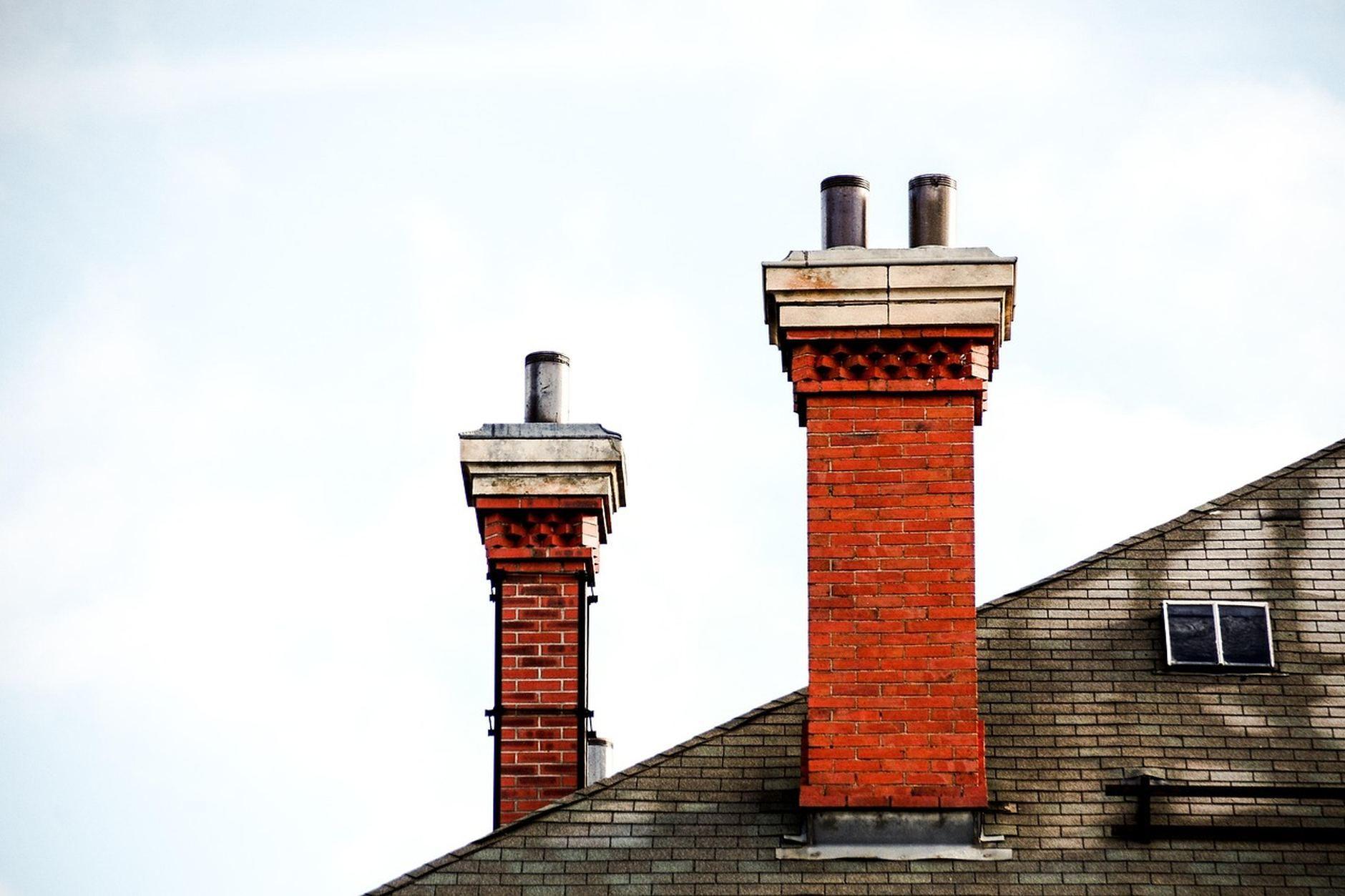
Old patches are a clue in themselves. A band of newer, brighter mortar near the roofline, a crown that looks far younger than the brick under it, or a stack noticeably shorter than the ones on similar houses along the street can all mean someone already dealt with shaking damage. That is not bad news on its own. It does mean the camera should confirm the inside was put right as well as the outside.
What the camera shows
A Level 2 inspection is how quake damage usually comes to light in a sale. The camera records each tile joint from the smoke chamber up. Typical findings on older chimneys in this part of the county:
- A tile cracked through, often in the upper sections
- Joints between tiles that have opened or stepped out of line
- Mortar missing from behind the tiles
- From the roof, a hairline crack following a mortar course near the roofline, or a stack that has shifted slightly on its base
Each is photographed, with its position and what it means for using the fireplace.
The repair options
There is no single quake repair. What fits depends on how much damage there is and how much of the chimney is still sound.
Masonry repair. Where cracks follow the mortar and the brick is sound, masonry repair replaces the failed joints and any broken brick.
Crown work. Movement often cracks the slab at the top. A sound slab with small cracks can be sealed; a broken one is replaced. Our crown repair page covers both.
Relining. If the flue tiles are cracked but the brick shell is solid, a new liner inside the old flue can make the fireplace usable again without taking the chimney down.
Bracing. A seismic retrofit adds steel that ties a sound stack back to the house framing, so it is less likely to come down in the next quake. It only makes sense on brick that is still solid.
Partial or full rebuild. When the upper stack is loose or badly cracked, it comes down and is rebuilt, sometimes lighter, sometimes stopping at the roofline. Our rebuild page explains the choices.
None of these has a printed price on our site, because the extent varies too much from one chimney to the next. After the camera run and a roof visit, we write a scope and a figure.
How it plays out in escrow
Quake damage is a finding buyers take seriously, and they are right to. A cracked flue can let heat and gases reach the wood around the chimney. So it usually gets fixed or credited, and is rarely just disclosed.
What helps the seller is having the full picture early:
- The camera report, with each crack photographed and located
- A written repair scope and figure from the same company
- A plain statement of whether the fireplace can be used before the repair
With those in hand, the buyer and their agent can settle on repair or credit without waiting for a second opinion. Without them, buyers often ask for a large credit to cover the unknown.
Where a rebuild or a liner goes through the city building office, we say so on the quote, and the signed-off record joins the file for the buyer. Our up to code repairs page explains how that sign-off works.
Starting before the buyer does
If your house in Norwalk has an older brick chimney and you plan to list, the camera inspection is the place to start. Use the quote form to tell us roughly when the house was built, whether the chimney was ever repaired after a quake as far as you know, and when you hope to list. We set the Level 2 visit and follow it with a repair scope if one is needed.
Paperwork for the file
Whatever the outcome, keep the report, any quote and the repair record together. Buyers' agents ask for them, and later owners will too. For the sale side of the process, our home sale page explains the report, and a seller gets the first visit on the calendar through our contact page.
Selling Within the Year?
Brannon Chimney Experts inspects from Norwalk and hands you the chimney findings a buyer would see, each marked repair, disclose or leave, with a written figure beside every repair line.